Let us pretend I do not need to convince you of all the important reasons to have a website. You are ready to do it, but are not quite sure how. Here is the fastest and easiest way to do the thing in a moderately professional manner, in my personal experience.
First, you need a domain. There are many places to purchase one, all with different pros and cons. Sometimes you can get a domain bundled with the website itself, one-stop shop, very convenient. Sometimes that locks you into dealing with a company you may want to divest from later.
I recommend porkbun.com as a straightforward place to do the thing. It costs approximately $11-$13 per year to buy a domain. If you can, stick it on auto-renew so you never accidentally forget and lose your domain to some jerk who wants to sell it back to you for $$$.
Next, you need a website. For this, I recommend Carrd.com unless you want to have a blog. (If you do, then some WordPress variant is likely to be your best bet.) Carrd has yearly Black Friday sales where a whole year of website hosting costs $11. Yes, you read that correctly. It may even be that the $11 gets you a domain as well, if I understand their new terms. The regular price is $19 a year, or you can pay $49 for additional bells and whistles.
So, total cost for domain plus hosting for a year: approximately $30-$60 (or $11 if that Carrd deal is real and your timing is good).
Yes, you can do free things. There is a free Carrd option, there are free WordPress options, free other places. There is no shame in free. Free is better than nothing. If you can find the money, though, the upgrade is worth it for that extra veneer of professionalism, and to ensure you have an easy-to-find digital home.
What should you have on your website?
- Your name.
- A bio. It can be as long as you’d like, but 75-100 words is a frequent limitation when you’re asked for one for publication purposes. You may also want to have a separate “press kit” section with multiple bios to choose from, of different lengths and styles.
- A headshot. You can skip this if you don’t want to be perceived, but it’s useful to at least link to a file that can be downloaded by folks who might need it.
- A list of publication credits, if you have them, with applicable links.
- Links to your social media accounts.
- A contact form. You can just put an email address, but that way lies spamming more than a form. You do want people to be able to contact you with legitimate business offers, though.
That’s it!
Make a date with yourself and slap this together using a template that appeals to you. Personalize it as much or as little as you want. Borrow ideas from other writer pages you like. Don’t be afraid to keep it simple! Any site is better than no site, and the easier it is to navigate, the better.
Don’t use AI to generate graphic design elements; using AI in one place is a red flag that you may be using it in others.
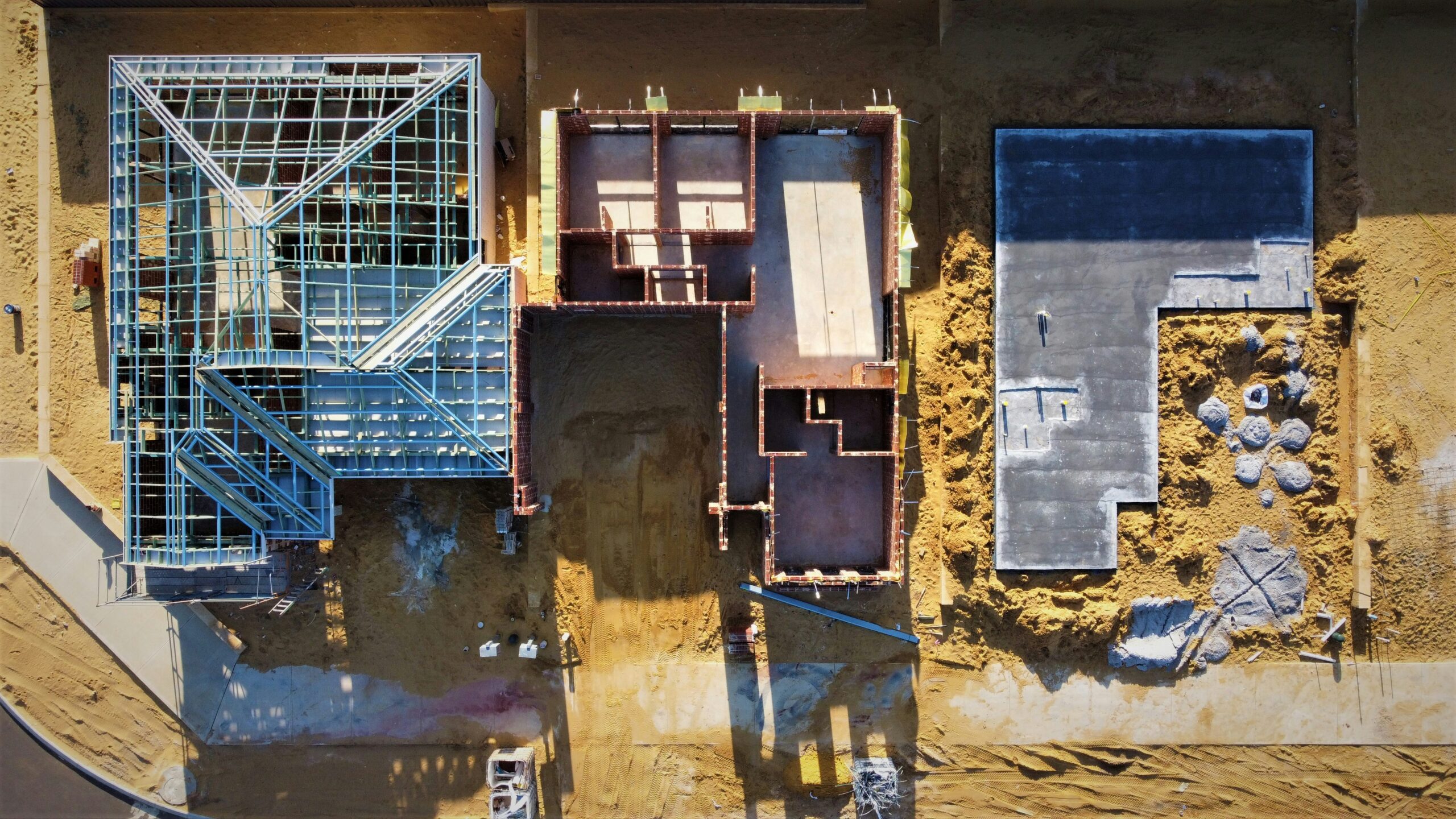
Ultimately, this is your digital real estate, your business card, your personal brand, a way you can quickly convey who you are and what you write to people who want to know more. Perfect is the enemy of done, so get it done.