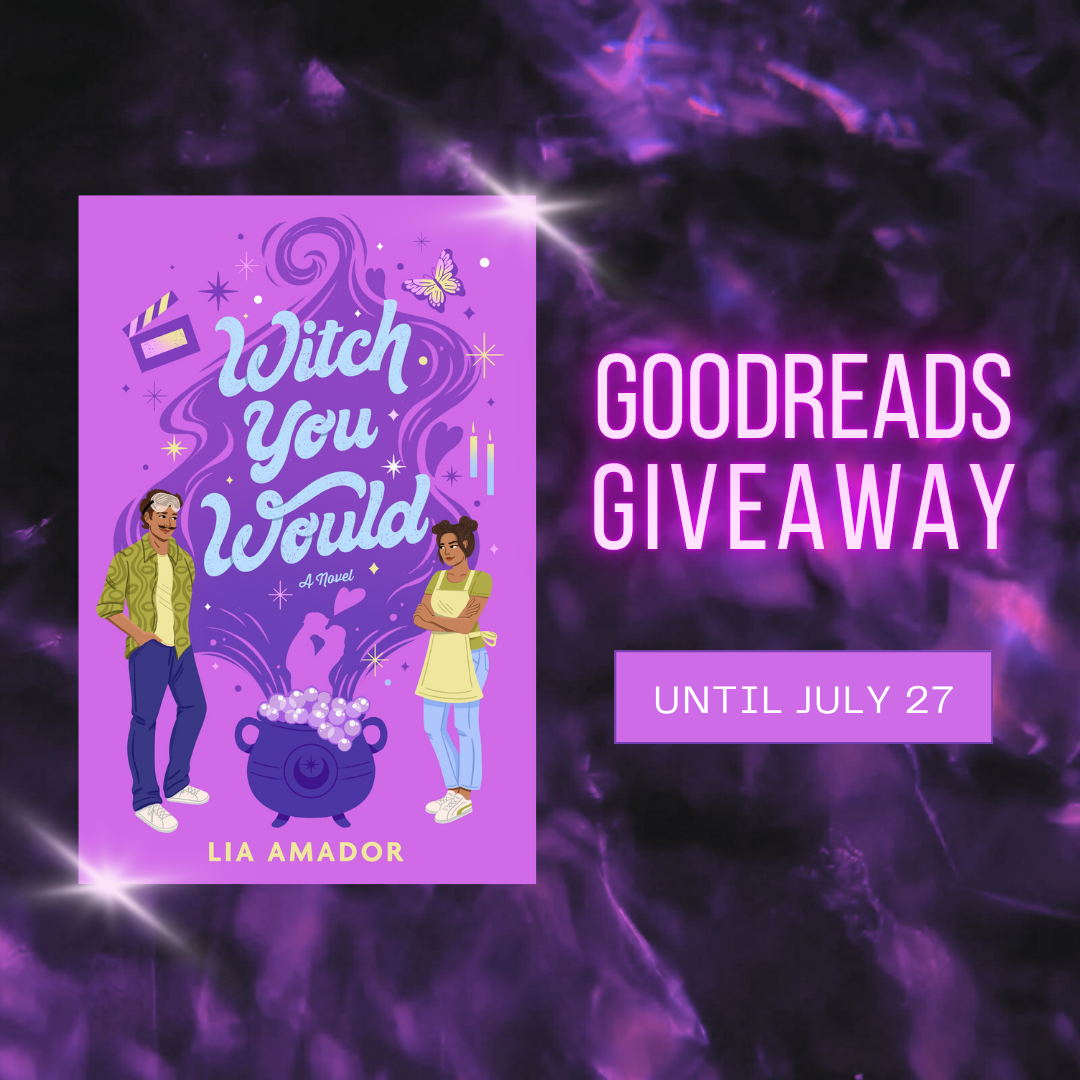
Did you miss the last Goodreads giveaway of Witch You Would advance print copies? Good news! There’s another one happening until July 27th! It’s US only, alas, sorry international folks.
As always, if you’re a book blogger who wants a copy, or you want to interview me about this book (or any of my others), feel free to reach out!
I’ve been working hard on the sequel to this, which is kind of a weird way to live whenever I stop to think about it. As people are reading this book that hasn’t even come out yet, I’m off in a whole other story that tangentially involves the same characters, but isn’t about them anymore. It’s like I’m driving, and I’m way ahead of everyone else, but I keep trying to watch what’s happening in the rear view mirror, too.
It’s been a few years since I found the Twitch writing community, and in that time, I’ve made so many new friends and gotten a lot of co-working done. Even though it’s virtual, the body doubling helps me stay focused and motivated when I’m struggling.
One awesome event I’ve had the pleasure of participating in a few times now is One Hundred Hours of Writing (OHHOW). OHHOW is a writing streaming event on Twitch that started as a way to let writers write together virtually around the world during November 2020. It’s been running several times each year ever since.
The next OHHOW starts Friday, July 18th at noon ET and continues through Sunday, July 20th at 2pm ET. My stream is on Saturday, July 19th at 2pm ET.
It works like this: you go to the Twitch channel of whoever is currently streaming and write for two hours. Each stream then swaps (aka raids) into a new channel, so you can keep working continuously all weekend long (with appropriate breaks for biological needs, please). Moderators track how participants are doing with their writing, based on voluntary self-reported word counts or time spent writing/editing.
I got an email from a writer who took one of my classes, and who wanted to know how to take a plot outline and turn it into chapters and scenes. I linked them to an anatomy of a scene post that I think does a good job breaking down one useful and streamlined approach to scene structure*.
This method posits that every scene should have three components: a goal, a conflict, and a disaster. Essentially, you should have a character trying to accomplish something, struggling against obstacles and antagonists, and ultimately failing to achieve their goal. That failure leads to the sequel, which is a different kind of scene in which the character reacts to what just happened, is faced with a difficult choice, and decides how to move forward. That leads to another scene with a new goal, etc., repeat this cycle until you reach The End.
The “disaster” part described in the link above is also sometimes called the try-fail cycle. If the character simply succeeds at their goal every time, there may not be enough tension and suspense to keep the reader turning the page. But if all they do is fail, then you don’t have a story, either, because they’re just spinning their wheels.
Here’s where I like to apply a model I learned from tabletop gaming. Instead of a disaster, each scene can end with an outcome ranging from extreme failure to extreme success.
The failure can be simply that the character didn’t manage to do the thing they set out to do; the mountain pass is blocked, and they have to find another path, perhaps a more dangerous one. Or they can somehow make their situation worse than it was when they started; they trigger an avalanche that sweeps them off the mountain and buries them under a ton of snow, and now they have to dig themselves out before they suffocate.
They can also have a qualified failure or success. Maybe they don’t manage to achieve the goal, but their failure points them in the right direction or provides some useful boon or new ally. The mountain pass is blocked, but a strange hermit will guide them… for a price. Or they succeed, but at a cost that immediately affects them or will become a problem later—an injury that needs treating, a new enemy on their trail, a Chekhov’s gun that will go off at the worst possible time.
They can also do the thing by the end of the scene, even if it’s difficult and they try and fail at least once, or they can do the thing stunningly well because they’re awesome and why shouldn’t they. Sometimes you do have to let your characters showcase their talents!
Usually, the qualified failures/successes are the most versatile scene outcomes, because they maintain tension but also keep the plot moving forward instead of hitting a wall. But you do want to sprinkle in the other options at the places where they’d be most dramatically appropriate.
If you’re going by a beat sheet, for example, then a total failure scene should probably happen around the midpoint and/or during the All Is Lost/Dark Night of the Soul beats. You might have an amazing success at the midpoint instead, only for the victory to end up souring, or the character’s arc being one where the success at their goal isn’t the end of their story. You might even have multiple goals and outcomes within a scene, some succeeding and some failing, though you have to be careful not to cram too much in one place.
The degrees of disaster, their vibes and variations, will depend on what kind of story you’re trying to tell. A grimdark story may have more total failures with terrible consequences that really twist the knife; a romcom may have more funny fail-forward situations; a political space opera may have complex machinations where each win or loss causes both visible and unknown ripple effects.
Your goal, as the writer, is to keep the reader interested and invested in every scene. As long as you’re doing that, you’ve succeeded!
*Not the only way, certainly. There is no One Right Way, and as the saying goes, anyone who tells you otherwise is selling something.
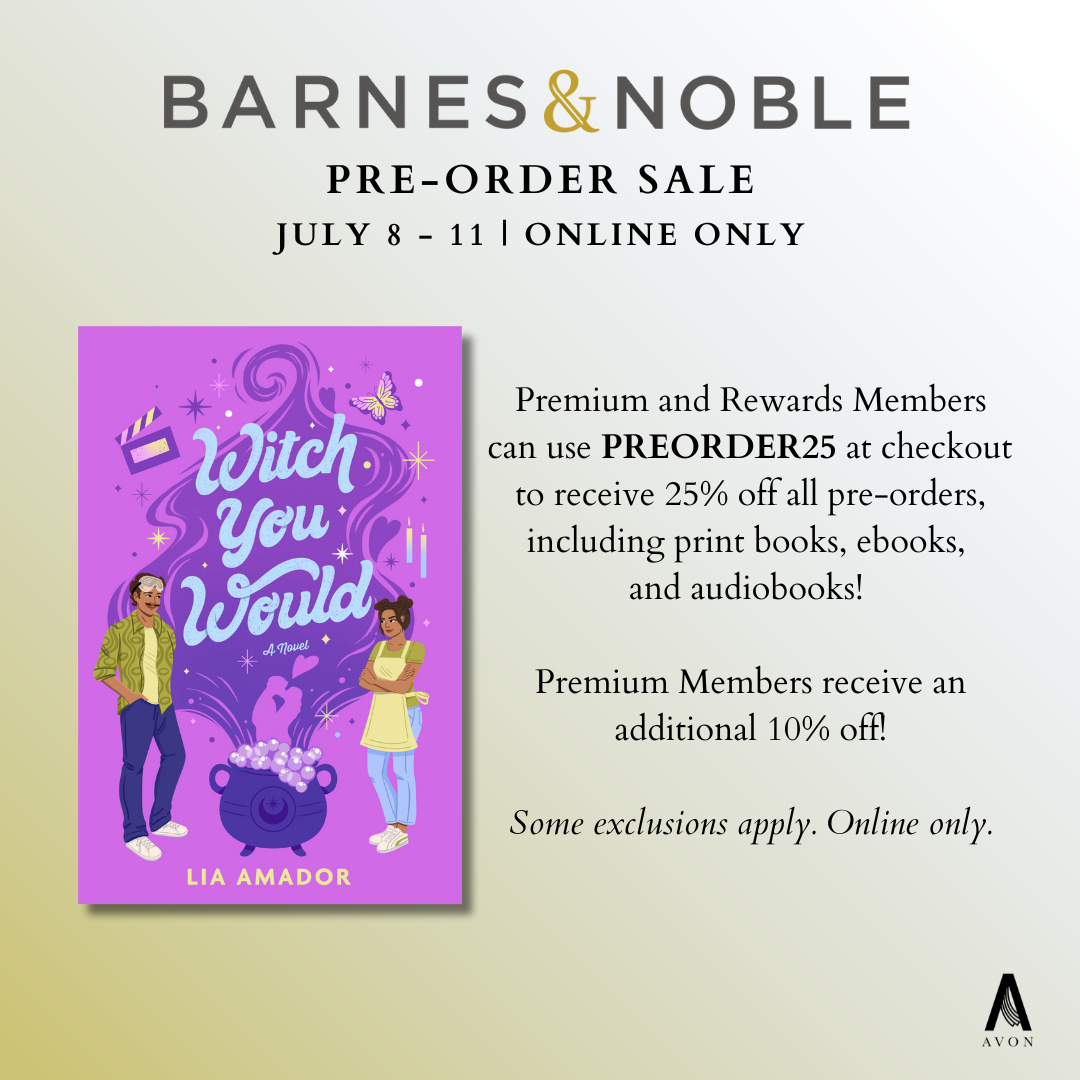
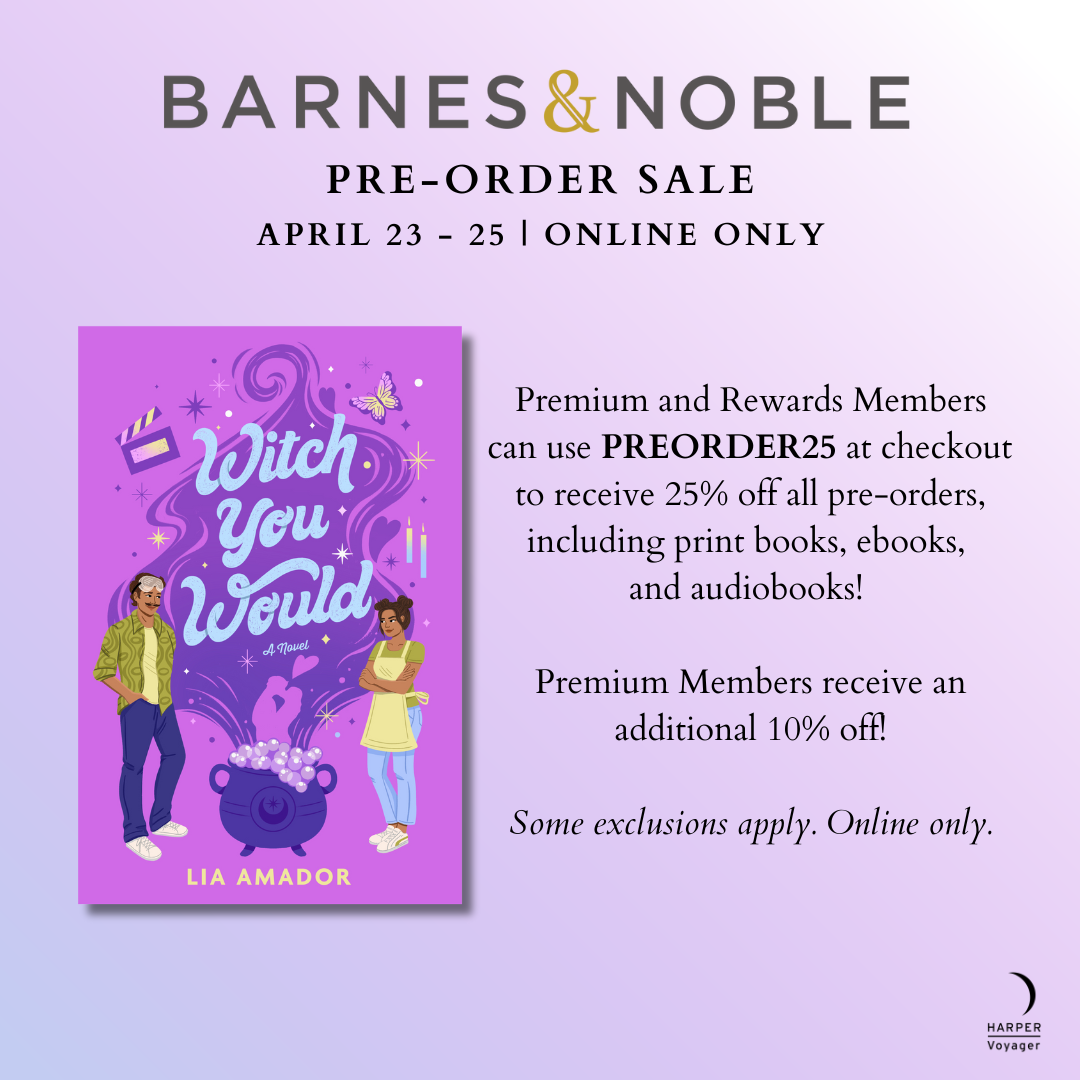
Until Friday, July 11th, Rewards program members get 25% off all pre-orders, and Premium members get another 10% off. You have to order online and use the code PREORDER25 for this magical discount to take effect.
It’s been exciting and scary to see reviews coming in for this. I try not to read them as a rule, but I am weak and this is a new genre for me. I want everyone to love my goofy nerds as much as I do! But not every book is for every reader, and that’s okay, too.
On that note, Witch You Would isn’t the only book on sale, so this is a good time to get any other upcoming releases you’re excited to read. Drop any recommendations in the comments!
The 2025 WriteHive Annual Conference is a free online writing conference, and I’ll be there! If you want to attend panels, workshops, and readings, and maybe even pitch an agent or two, check it out.
Catch me live at a round table about fantasy on Sunday, July 13th, at 12:30pm ET, with Rachanee Lumayno and Shameez Patel. We’ll answer audience questions about any fantasy-related topics that strike your fancy.
Then I’ll be hanging out in the Discord chat for two pre-recorded panels. Writing Mental Health: When the World Mirrors a Dystopian Novel is at 2pm ET, and I had a great time moderating for Amanda Cessor, B.L. Brown, Camden Rose, Katta Kis and Marisa Noelle. At 6pm ET, Hopepunk: Writing with Empathy in Dark Times features me, Cait Gordon, Jesse Pohlman, and Matthew Phillion, moderated by S. Morgan Burbank.
There’s a writing concept that I’ve seen people describe in a few different ways. The one I repeat the most, which I learned from my friend Jay Wolf, is, “Yelling so the people in the cheap seats can hear you.” Another, via Bree and Donna of Kit Rocha, is “dropping the anvil.” Yet another, more distant but still related concept, is “writing for the second screen*.”
What do I mean by all these things?
When you’re trying to convey something essential to the reader, you have to make sure they pick up what you put down. If you don’t, they may get confused or upset or disengage from the story.
Everyone reads differently, and it can vary by day or mood or a million little things. Some readers—friend Jay calls them “close readers”—catch subtle hints, innuendos and subtexts and casual references that are mentioned once and never again.
Others—call them “loose readers”—aren’t reading as carefully, for any of many reasons: they’re tired, they’re speed-reading, they keep getting distracted or interrupted, there’s a lag between reading days or times. Still others are skimming, scanning, reading mostly the dialogue, skipping to the saucy bits.
Because everyone is reading your work differently, it’s worth—within reason—finding ways to accommodate those differences as you write, to make sure as many people as possible are getting the essentials.
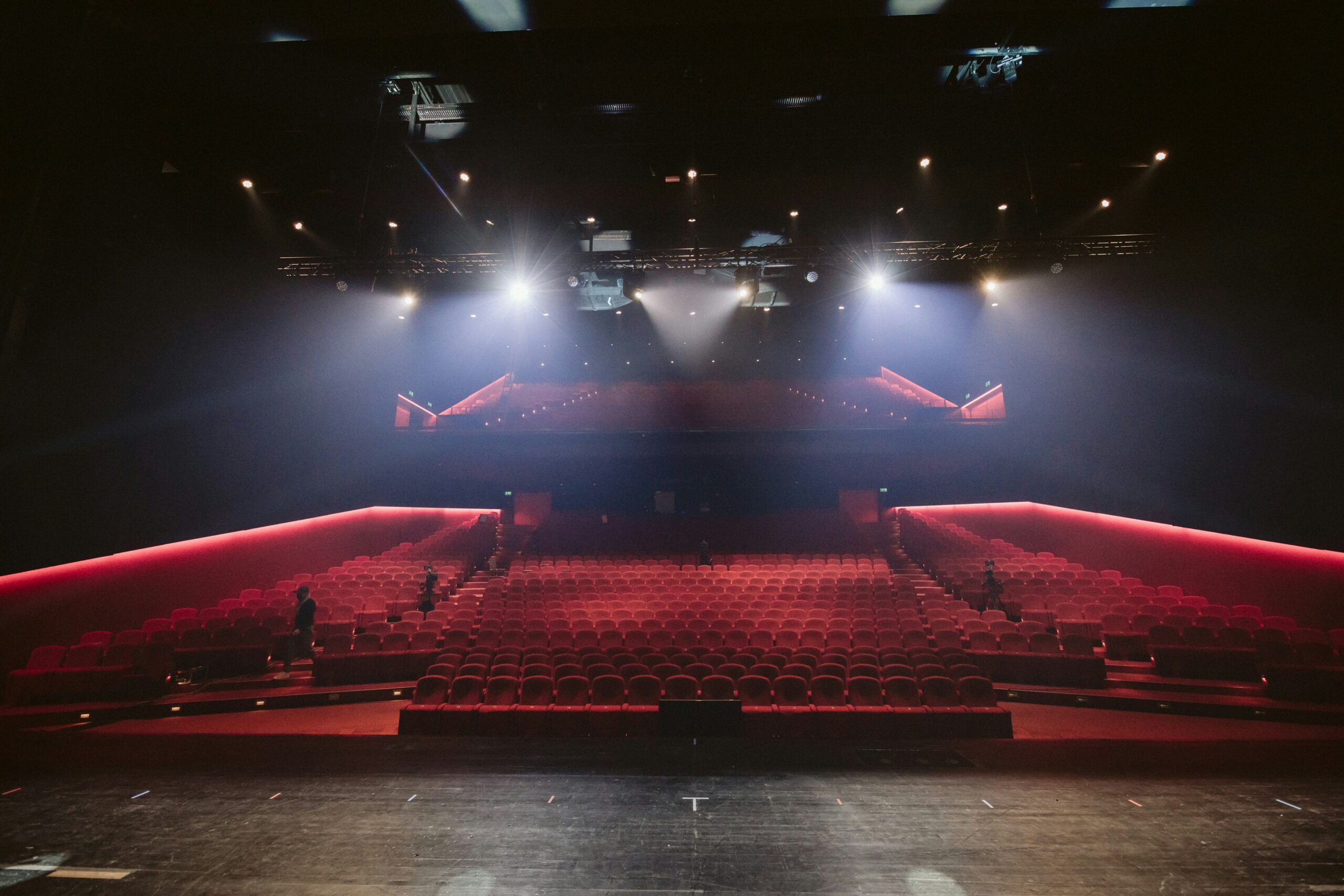
You yell so the people way in the back of the theater can hear you, not just the ones in the front row. You drop the anvil so the people who didn’t notice your more delicate hints are sure to spot that one. You use techniques that allow the people experiencing your work like it’s a second screen—multitasking, being interrupted, surrounded by noise—to catch what’s important instead of missing it.
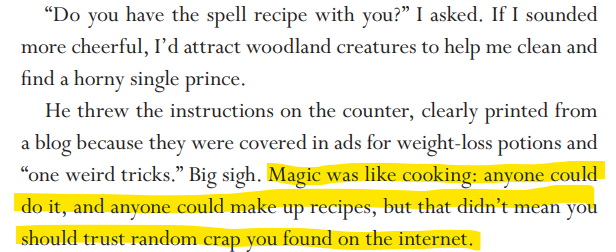
A prime example comes from my new book, Witch You Would. Multiple readers have asked the same question: can anyone in this world do magic?
The short answer is: yes! It’s mentioned on page two, quoted in the section below, in which a customer is being nasty:
So if the answer is right there (and in a couple of other places), how did so many people miss it?
Because I didn’t yell it for the cheap seats.
What are some ways to accomplish this? A few ideas:
Repetition. If you only say a thing once, some people are sure to miss it. If you repeat it a few times, in different ways, each repetition increases the odds that more people will catch it instead of having it whoosh past them.
Clarity. The more obvious and direct you are about saying a thing, the more likely it will be that people understand it. Don’t only be ambiguous, or subtle, or sneaky: say it loud and proud somehow, somewhere. Drop that anvil.
Placement. Where you say a thing can make a huge difference in how many people notice and remember it. Dropping vital intel at the end of a paragraph, or in the middle of a complex sentence? Might as well hide it under a rock.
Pacing. If you say too many important things all at once, readers may only absorb the first one or two. Spread out your revelations and lore drops. If they’re all anvils, you’re going to give someone a concussion.
These techniques can be especially useful—and extra necessary—if you’re deviating from genre standards and expectations somehow. The more people have particular tropes or concepts entrenched in their subconscious, the harder you have to work to make them understand that you’re doing something different.
Take my example above: readers are primed to expect magic to be hereditary, or granted as a gift or curse by some powerful being or artifact, or have some extremely specific rules system you have to learn. That means I have to repeatedly and clearly say how it actually works in my book, or how are readers expected to know?
This doesn’t mean you can’t do subtle, drop hints not everyone will catch, or let readers read between some lines. There’s so much potential for satisfaction in noticing some bit of foreshadowing that pays off later, or rereading and seeing everything you missed the first time. It’s about conveying the things you think they MUST know so that as many readers as possible will get them.
And if you’re writing books for only the most discerning of palates, readers who can taste all those different flavor notes in your complex wine? That’s okay, too! Knowing your target audience for lets you cater to them accordingly. Are you writing for the smoothie drinkers, or the slow food crowd?
Have any other techniques or tips for how to project and pitch heavy objects at reader heads? Share them in the comments, or drop me an email, or tag me on socials if you’re so inclined!
*Longer explanation of the second screen thing: a lot of TV and film writers are being asked to write in a way that ensures people who are treating their TV as a second screen—as in watching something while also staring at their phone, or working on their computer, or doing something else—are still going to get the gist of what’s happening. This is why sometimes you’ll have, say, a character repeat something another one just said, or describe something you can clearly see on the screen.
In case you missed the announcement, I’ll be teaching at Viable Paradise this year, in October. What’s that, you may ask?
Viable Paradise is a week-long workshop in writing and selling commercial science fiction and fantasy stories. You and your fellow writers spend time in lectures and workshops with best-selling and award-winning authors and professional editors currently working in the field. You learn, you critique, you get critiqued, you write… it’s an intense week entirely devoted to cramming as much knowledge into your head as possible in that short time.
This year, instructors include Elizabeth Bear, Max Gladstone, Daryl Gregory, Scott Lynch, Arkady Martine, Teresa Nielsen Hayden, Sherwood Smith… and me! Also hanging out will be Editor-in-Residence Patrick Nielsen Hayden.
Check out the website for information on costs, scholarships, how the hell you even get to Martha’s Vineyard, and more! And if you know of someone you think might want to spend a week getting knowledge crammed into THEIR head, pass the link along, why don’t you?
Two posts from me in a single week? Inconceivable!
It’s true. First it was the Goodreads giveaway, and now I’m here to give you a heads up about the Barnes & Noble preorder sale. Starting today and ending Friday, April 25th, members of the super secret elite rewards program can get 25% off all preorders using the magic spell word: PREORDER25. If you have been initiated into the inner circle of Premium membership, you get another 10% off. Math tells me that’s a 35% total discount! Inconceivable!
(I keep using that word… I do not think it means what I think it means.)
So go forth and get yourself a preorder for Witch You Would! And grab any other awesome upcoming books in the BN.com store, while you’re there. Future you will be super hyped to get some presents.
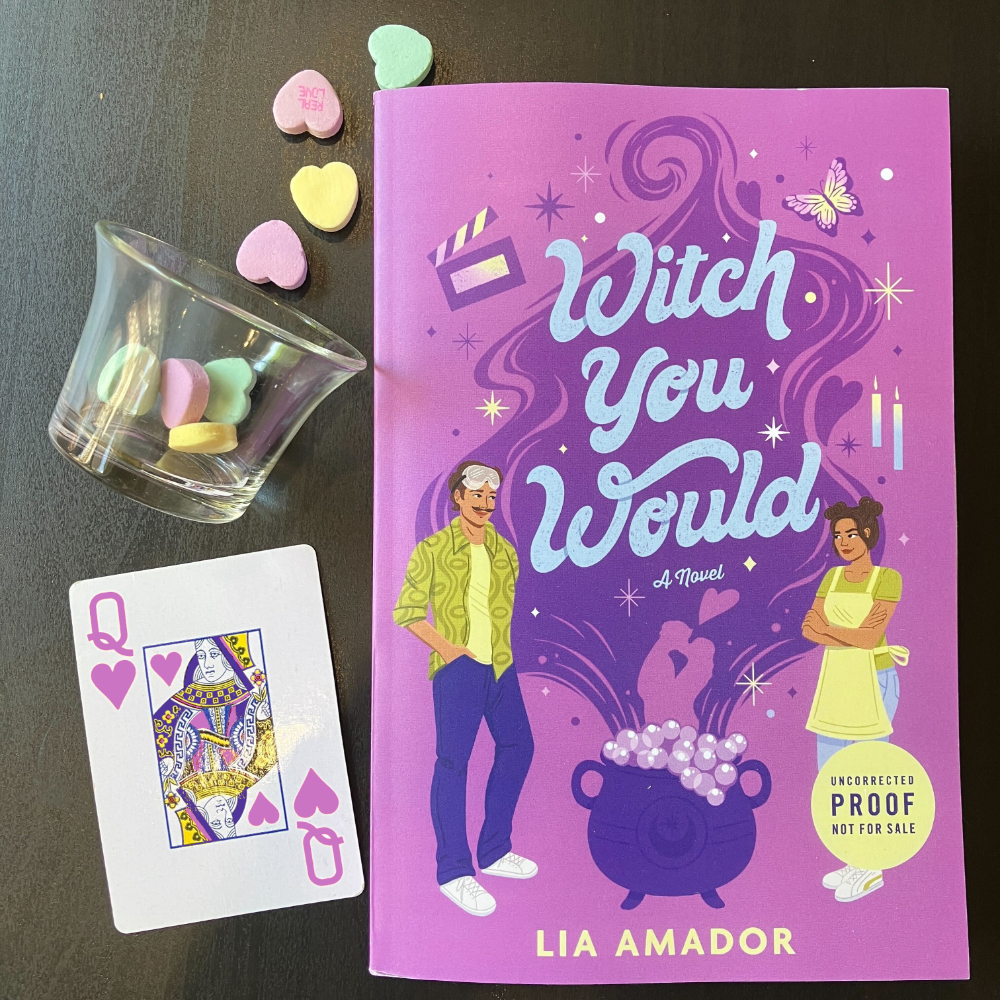
Witch You Would has been available on NetGalley and Edelweiss for a while, but last week I got an exciting package in the mail: galley copies, aka advance reader copies!
This is my fifth book, but it’s my first one writing as Lia Amador, and my first romance novel, which means I’m debuting all over again. That makes these galleys even more special to me, because they’re a tangible symbol of this new start.
The last time I got physical advance copies of a book of mine was for Chilling Effect in 2019. Then the pandemic started, everything went down the proverbial toilet along with hoarded toilet paper, and none of my other books ended up having ARCs.
I wasn’t sure whether I’d get any for this book, either. Without delving too deeply into politics, which are deeply exhausting at the best of times, many companies in different industries are dealing with import issues. Publishing seems okay for now, but who knows where we’ll be tomorrow, or next week, or next month.
But! I’m celebrating this win, because I try to celebrate all of them. I got a Costco membership and treated myself to a bottle of margarita wine cooler, then baked some vegan maple oatmeal muffins. It’s the little things.
If you want to win your very own advance print copy of Witch You Would, there’s a Goodreads giveaway happening until May 5th! Avon is giving away 100 copies, so your odds are pretty good. It’s US only, alas, sorry international folks.
If you’re a book blogger who wants a copy, or you want to interview me about this book (or any of my others), feel free to reach out!
If you’re a reviewer, you can now request Witch You Would on NetGalley! Go forth and obtain a copy, and may the odds be ever in your favor. I do not have any power over who gets approved or denied, but if you have trouble, maybe I can put in a good word for you? Let me know!
I find it adorable that there’s a trope list included on the page. My book tropes are:
fake dating
secret admirers
enemies to lovers
mistaken identity
grumpy sunshine
It’s funny because I wouldn’t have thought “enemies to lovers” and “grumpy sunshine” applied… I feel like it’s more “reluctant allies to lovers” or at least one-sided enemies? But I can see it. The grumpy sunshine totally works, though. I can’t think of many examples where the woman is the grumpy one in the pair, and I think that unconscious bias kept me from noticing what was obvious to my editor. Hopefully folks who love these tropes will enjoy how they’ve manifested here.
I have no idea when reviews are going to start happening, but since we still have a bit over eight months before the book appears on store shelves, I imagine we’re in for a long wait. Stuff that’s coming out sooner takes priority, and for good reason.
And speaking of waiting, I keep waiting for the point in my career at which the idea of people reading my book won’t hammer on my nerves like a button masher playing Street Fighter. That point has not yet arrived, and I suspect it never will. As the wise ones say, your problems don’t go away as you level up, they level up with you.
Stay tuned for more updates as they become available!